Mobile app development isn’t just about a sleek interface or smooth animations—it’s about building a secure, stable, and scalable product that enhances user experience and drives business growth. That’s why choosing the right mobile app development framework (or tech stack) is one of the most critical decisions in your app journey.
While entrepreneurs may focus on fundraising, business models, or monetization strategies, the technical choice should be made carefully, considering scalability, budget, and long-term goals. Your technology partner can suggest options, but only after weighing all factors will you be in a strong position to move forward with development.
What is a Mobile App Development Framework?
A Mobile App Development Framework is essentially a structured toolkit of libraries, components, and APIs that helps developers build mobile apps efficiently. Instead of coding everything from scratch, frameworks accelerate development, ensure consistency, and reduce costs.
Think of it as a foundation—or blueprint—that enables developers to create Android, iOS, or cross-platform apps faster and more reliably.
Key Features of a Mobile App Development Framework
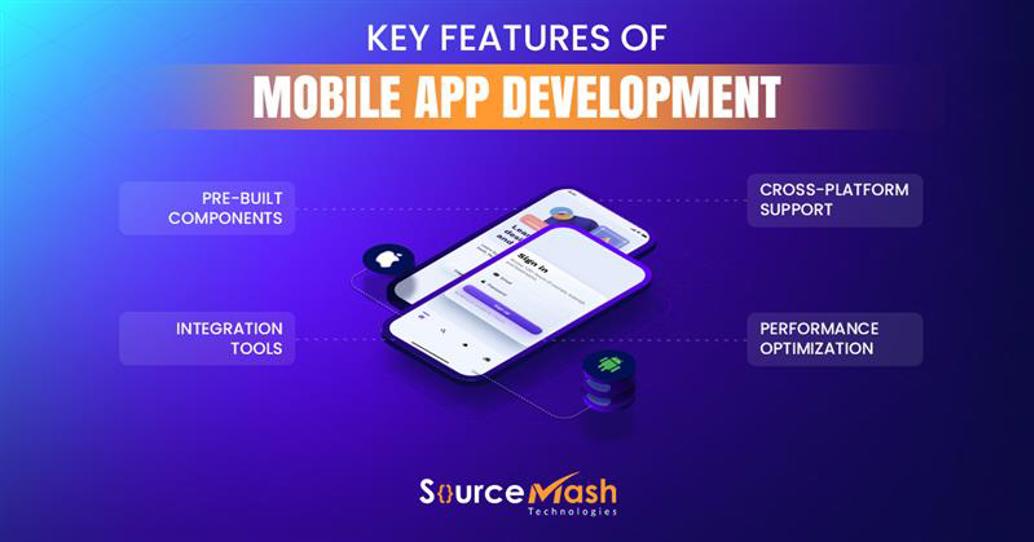
- Pre-built Components: Ready-to-use UI elements, templates, and APIs.
- Cross-Platform Support: Single codebase that works across iOS & Android.
- Integration Tools: Seamless connections with databases, payment gateways, and third-party APIs.
- Performance Optimization: Maintains app speed, security, and overall reliability.
Why Do Modern Frameworks Matter?
Unlike traditional coding where speed often compromised quality, today’s frameworks like Flutter, React Native, and SwiftUI combine fast prototyping with long-term scalability. Features like hot reload, built-in UI libraries, and unified codebases help businesses launch quicker while ensuring robust performance.
3 Reasons to Use a Framework for Your App
- Faster Development & Lower Costs: Pre-built modules cut down coding time, leading to faster delivery at reduced costs without compromising quality.
- Cross-Platform Compatibility: A single codebase can power both iOS and Android apps, ensuring design consistency and easier maintenance.
- Scalability & Future-Proofing: With strong community support and frequent updates, frameworks keep your app compatible with new OS versions and ready for future growth
Native vs Cross-Platform App Development in 2025
The debate between native and cross-platform is ongoing, but the right choice depends on your goals. If maximum performance and deep hardware integration are top priorities, native apps win. If cost-efficiency and faster launches are crucial, cross-platform frameworks are the smarter choice.
Pros & Cons of Native App Development
Pros
- Best-in-class performance with direct access to hardware.
- Cross-Platform Support: Single codebase that works across iOS & Android.
- Full access to device features like GPS, biometrics, or camera APIs.
- Stronger security compliance.
- Highly reliable and scalable for growing apps.
Cons
- Higher cost (separate teams for Android & iOS).
- Longer time-to-market.
- Complex maintenance as updates need to be managed separately.
Pros & Cons of Cross-Platform App Development
Pros
- 40–60% cost savings with a single codebase.
- Faster launches using reusable components.
- Wider reach across Android, iOS, and web.
- Easier maintenance with one unified codebase.
- Near-native performance with modern frameworks.
Cons
- Limited access to highly advanced native features.
- Potential performance lags in heavy graphic apps.
- Larger app size due to extra libraries.
- Dependency on framework updates.
- Extra effort required for platform-specific UI customizations.
Native Mobile App Development: What Options Do I Have?
If you choose native, the next step is to decide the platform: Android or iOS. Each comes with its own tech stack, and the decision should be backed by research on your audience and business goals.
Cross-Platform App Development: What Option Do I Have?
For businesses targeting both Android and iOS with one codebase, cross-platform frameworks are the go-to. Popular stacks include Flutter, React Native, Xamarin, Ionic, and others—each with unique strengths.
4 Mistakes to Avoid When Choosing a Tech Stack
- Ignoring Project Requirements – Don’t pick frameworks just because they’re trendy.
- Overlooking Community Support – Poorly maintained frameworks risk obsolescence.
- Neglecting Performance Benchmarks – Always test frameworks against app speed and responsiveness.
- Skipping Compatibility Checks – Ensure smooth integration with APIs and existing systems.
Top 5 Mobile App Development Frameworks in 2025
In today’s fast-moving digital world, businesses don’t just need mobile apps—they need them quickly, efficiently, and with flawless performance. That’s where mobile app development frameworks come in. These frameworks provide developers with ready-made tools, reusable code libraries, and cross-platform support that drastically reduces development time while still ensuring a high-quality user experience.
- Flutter – Google’s UI toolkit with hot reload & multi-platform support.
- React Native – Backed by Meta, great for cross-platform with native-like performance.
- Xamarin – Microsoft’s framework with .NET/C# support, ideal for enterprise apps.
- SwiftUI – Apple’s modern UI framework, perfect for iOS-exclusive apps.
- Ionic – Lightweight and cost-effective for PWAs and hybrid apps.
The Crux
Selecting the right framework is not about picking the most popular name—it’s about aligning with your project needs. One wrong decision can hurt your app’s scalability and profitability. If unsure, always consult professionals.
Partner with SourceMash Technologies
At SourceMash Technologies, we don’t just follow trends—we analyze your app’s requirements and recommend frameworks that ensure cost-effective, scalable, and future-ready solutions. Whether it’s Flutter, React Native, SwiftUI, Xamarin, or Ionic, our team delivers apps that are reliable, secure, and growth-focused.
Build smarter, not harder. Partner with SourceMash Technologies today and turn your app idea into reality.